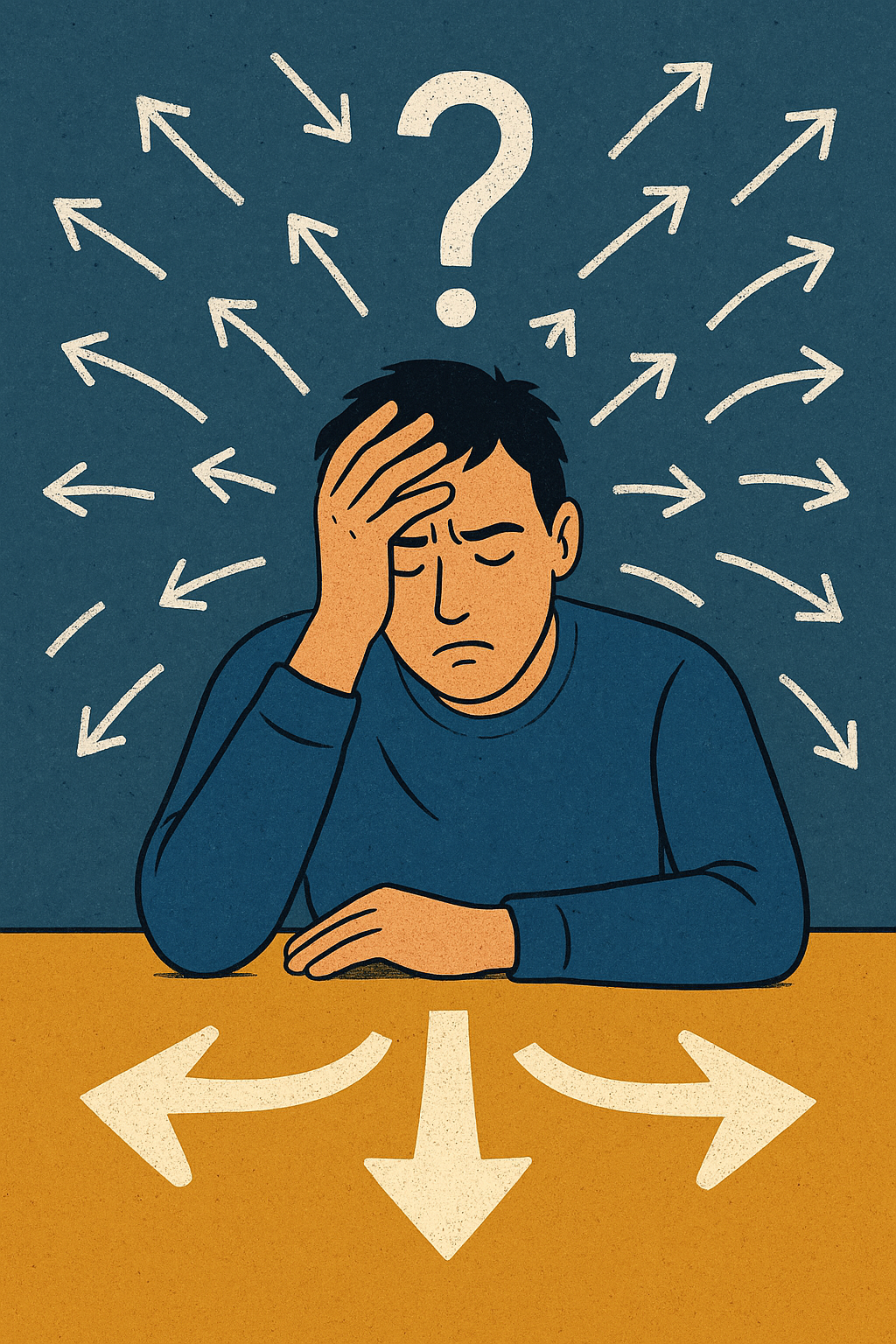

Most people think discipline means white-knuckling everything:
Push harder.
Sleep less.
Grind until you break.
That’s not discipline. That’s self-destruction with good branding.
Smart discipline is different. It’s not about forcing yourself to push through no matter what. It’s not about burnout, guilt, or living in permanent beast mode.
Smart discipline is about knowing yourself—your strengths, your weak points, your patterns—and then building systems and structures around that, so you don’t have to lean on motivation or willpower every second of the day.
Because motivation will fail.
And you don’t always want to be fighting a willpower battle just to eat, move, and sleep like an adult.
What Smart Discipline Actually Is
Let’s define it clearly:
Smart discipline = using self-awareness + systems so the disciplined choice becomes the easy choice.
It’s built on three pillars:
-
Self-knowledge – You know when you’re sharp vs useless, where you tend to sabotage, what your real triggers are.
-
Structure – Your calendar, environment, and routines are set up to support your goals.
-
Failsafes – You have backup rules and plans for when you’re tired, stressed, or emotional.
It’s not about asking, “How do I force myself more?”
It’s about asking, “How do I make the right thing easier and the wrong thing harder?”
Why Willpower Alone Is a Terrible Long-Term Strategy
Willpower is real, but it’s also:
-
Inconsistent – It changes with sleep, stress, hunger, hormones, emotions.
-
Exhaustible – You only have so much decision-making power in a day before you start reaching for comfort.
-
Context-dependent – You’re a different person at 6 a.m. in a quiet house vs 9 p.m. after a long day and three arguments.
If your entire plan relies on:
“I’ll just be strong every day”…
…you’re building on sand.
Smart discipline assumes your future self will be:
Tired
Stressed
Tempted
Not in the mood
…and still builds a way for you to win.
Step 1: Know Your Strengths and Weak Points
Smart discipline starts with honest self-auditing, not self-hate.
Ask yourself:
-
When am I naturally at my best?
Morning vs evening? At home vs at the gym? -
Where do I always fall off?
Weekends? Late nights? After social events? -
What are my “slippery” situations?
Certain foods? Certain people? Certain apps? -
What comes easily to me?
Planning? Training? Cooking? Following a checklist?
Be brutally real, not judgmental.
If you know you’re mentally sharp in the morning and a zombie by 8 p.m., then smart discipline says:
Put your most important actions in the window where you actually have a brain.
If you know late-night snacking is your downfall, then smart discipline says:
Change your environment and rules at night, instead of just “trying harder.”
Step 2: Lean In Where You’re Strong
This part is fun: play to your strengths.
-
If you’re good with structure, run highly structured training and nutrition plans.
-
If you’re good with consistency, focus on streaks and habit tracking.
-
If you’re good with intensity, use short, hard sessions instead of long, slow ones.
-
If you love checklists, build your day as a list you can tick off.
Smart discipline is not about making everything hard. It’s about making disciplined living feel natural where it can.
This is where things like a Disciples of Discipline daily discipline program shine:
-
The structure is already built.
-
You focus on execution, not endless planning.
Step 3: Install Systems Where You’re Weak
Here’s the uncomfortable truth:
You will never be “strong” in every area.
So instead of trying to become a completely different person, you install systems that cover your weak spots.
Examples of Smart Systems
If evenings are chaos:
-
Train in the morning, non-negotiable.
-
Prep dinner or have a default “easy healthy meal” for nights you’re wiped.
If you overeat when food is visible:
-
Don’t keep trigger foods on the counter.
-
Pre-portion snacks instead of eating from the bag.
If you skip workouts when you go home first:
-
Go straight from work to the gym.
-
Keep your gym clothes and DoD shirt in the car so there’s no “I forgot my stuff” excuse.
If you get overwhelmed by choices:
-
Stick to one program for 8–12 weeks.
-
Rotate 2–3 go-to breakfasts/lunches that fit your macros.
The question isn’t, “How do I be stronger?”
It’s, “How do I design my life so I need less strength for the basics?”
Step 4: Build “No-Willpower” Rules
Smart discipline uses rules, not vibes.
Create a few simple rules that don’t require negotiation:
Time-based rule:
-
“Kitchen closes at 9 p.m.”
Frequency rule:
-
“I train 3x per week, minimum. Days can move, but all 3 happen by Sunday night.”
Location rule:
-
“No eating in front of screens.”
Money rule:
-
“I only order food out once per week.”
These rules protect you from yourself when you’re tired. When your brain starts bargaining, you don’t debate—you follow the rule.
Step 5: Design a Smart Discipline Week
Here’s how a smart discipline week might look:
Sunday:
-
Review schedule, plug in workouts like meetings.
-
Choose your 2–3 go-to meals for the week.
Night before:
-
Lay out workout clothes + DoD shirt.
-
Decide tomorrow’s training time and main meal.
Each day:
-
Hit your bare minimum (10–20 minutes of movement, protein, water).
-
Follow your no-willpower rules: closed kitchen, no scrolling in bed, etc.
End of week:
-
Review: what worked, what broke, what system needs tweaking?
We’re not chasing perfection. We’re building a repeatable system that works in the real world.
How Disciples of Discipline Fits Into Smart Discipline
Our brand isn’t “destroy yourself and call it greatness.”
It’s:
Know yourself. Build systems. Live disciplined without burning out.
We help you do that by:
-
Providing discipline-themed shirts and gear as daily identity anchors—visual reminders that you’re the kind of person who lives by systems, not moods.
-
Creating structured daily discipline programs so you don’t have to think, “What should I do today?” You follow the plan.
-
Offering mindset + structure guides that walk you through designing your own smart discipline rules, environment, and weekly frameworks.

Smart discipline doesn’t ask you to be superhuman.
It asks you to be honest, strategic, and consistent.